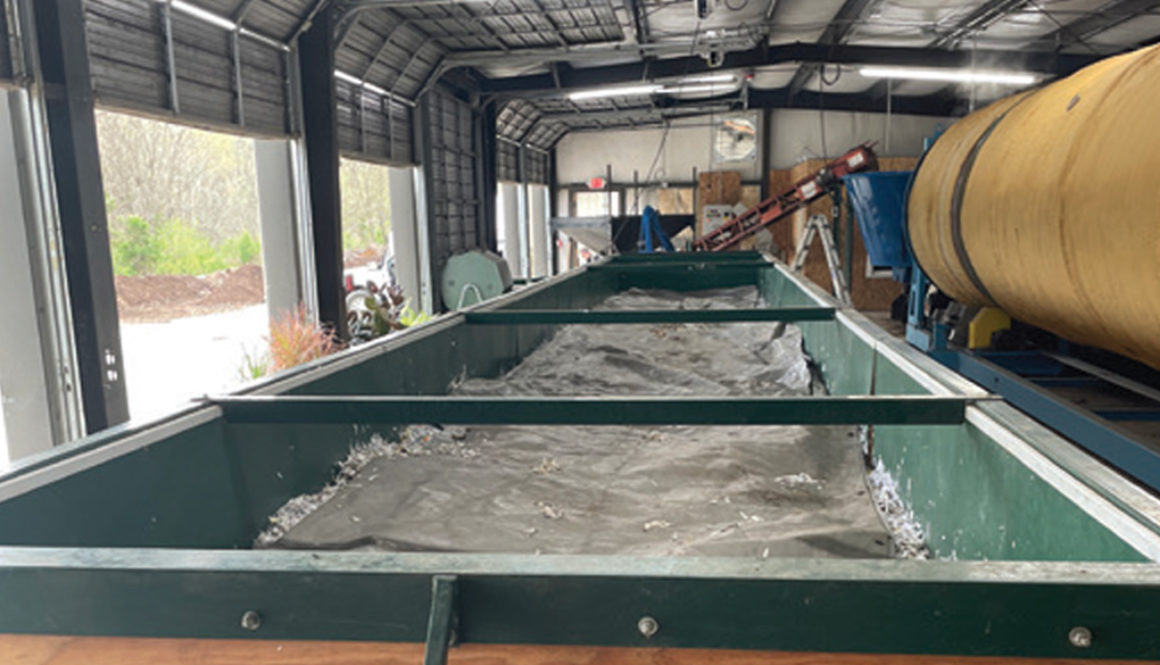
Compost From Food Waste Produced by XACT BioReactor is Certifiable!

Christina and Jeremiah Eneix of Green Earth Landworks in Anchorage Alaska purchases the compost produced by the XACT BioReactor which is owned and operated by Alaska Green Waste Solutions. The compost is produced using food waste, horse manure and wood chips.

Compost Blended with Top Soil

Compost Blended with Top Soil


When Green Earth Landworks receives the compost, it is cured in static piles, and, due to the severity of the weather conditions, the piles are inoculated with a microbial package to enhance the final maturation of the compost.  The mature compost is blended with top soil for bulk sales at the nursery.  It is also used for top dressing, erosion control socks filler.  These socks are used by the DOT which requires the compost be certified.  The lab reports show that the compost passes all the tests with flying colors!  Please get in touch if you would like a copy of the report!

  • LinkedIn
  • Facebook
  • StumbleUpon
  • Google Gmail
  • Twitter
  • Share/Bookmark

XACT Composting System in Alaska “Runs on Cruise Control”

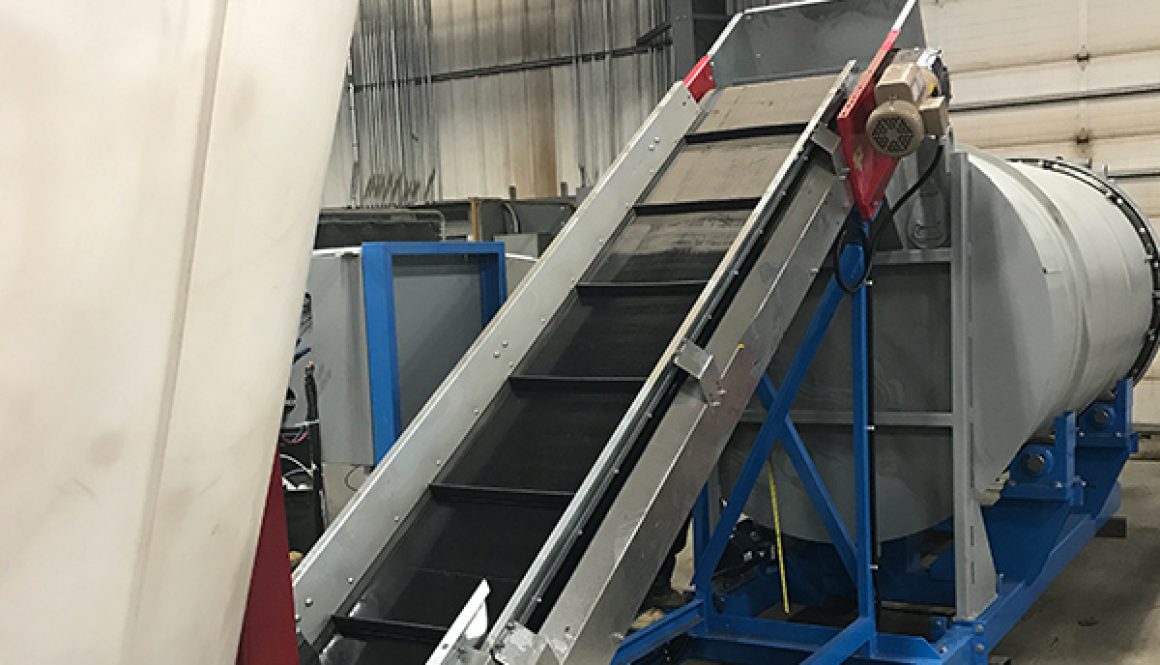
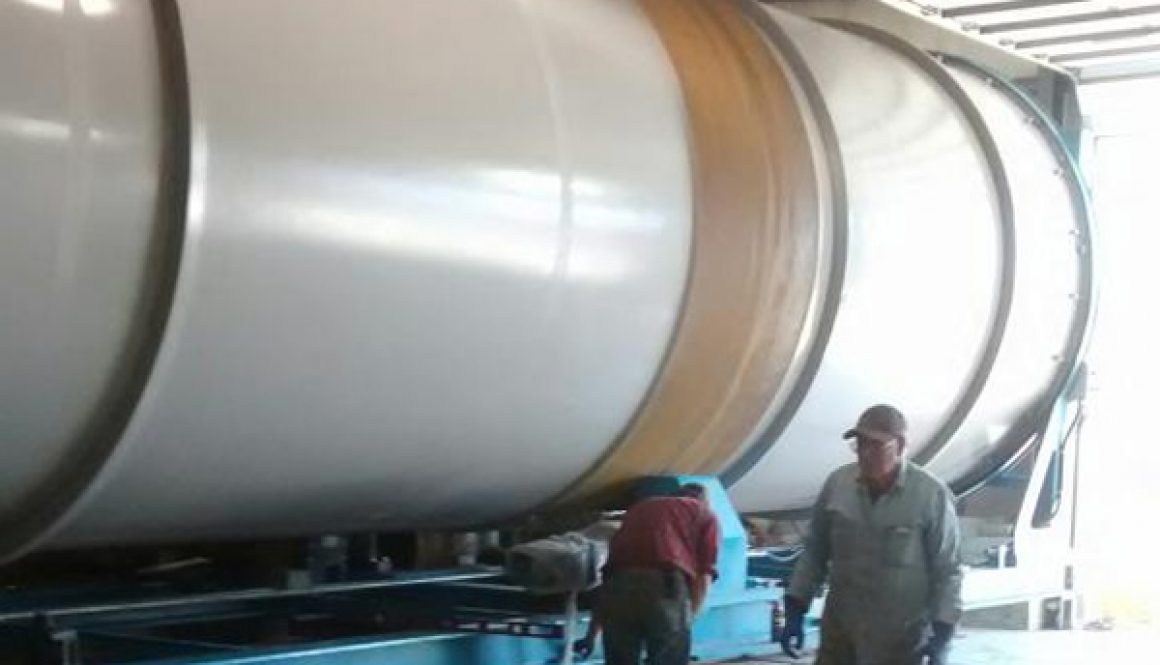
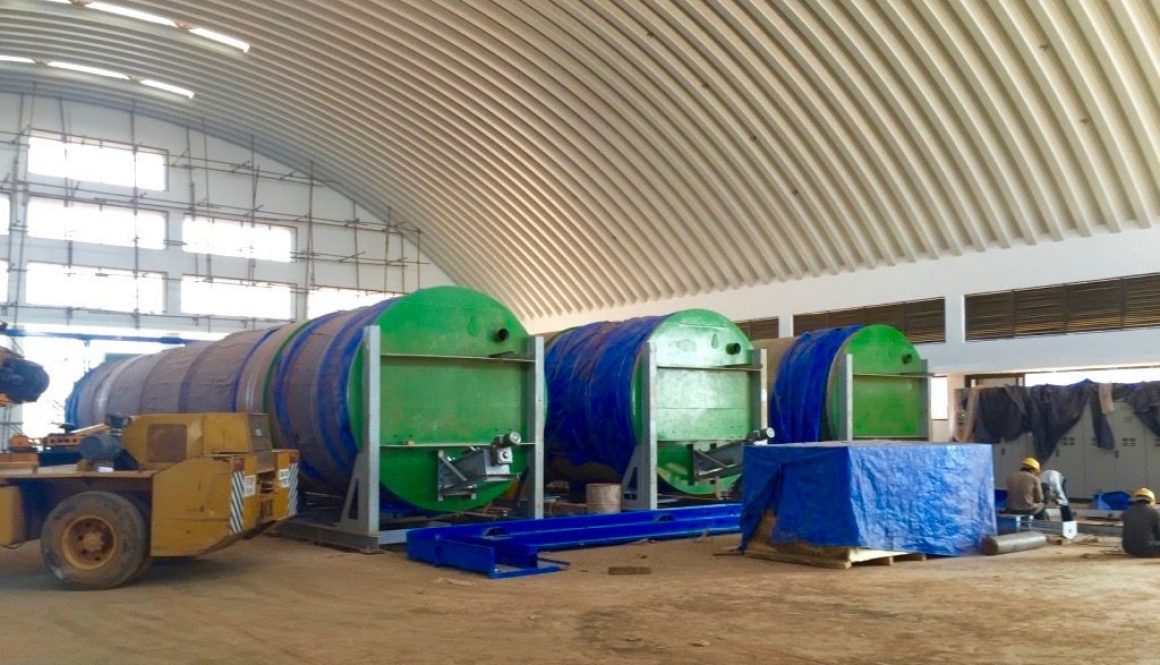
Back in 2009, Alaska Waste Company had wanted to divert  450 to 500 tons of organic materials from the landfill and looked at the possibility of windrow and static pile composting.  However, the company did not have the space for these methods and the throughput would be too slow anyway.  Then Alaska Waste investigated in-vessel composting methods and came upon the rotating drum BioReactor technology by XACT Systems.  The BioReactor has a tiny footprint and tremendous throughput capacity.  It was a good fit for Alaska Waste’s needs, so they purchased a 10’ diameter by 30’ long vessel.

Once all the installation and recipe tweeking had taken place, the system nearly runs itself.  There is only one operator who works a total of 3 to 4 hours a day with the entire composting system (including loading, unloading and clean up).  There is minimal maintenance, and the energy requirements are so low because the 10’ x 30’ drum is being driven by only a 5 hp motor.  As an added bonus, the heat off the BioReactor helps heat the building!

Jeff Jessen, the Renewable Resources Program Administrator, says, “the XACT composting system runs on Cruise  Control now…it runs so well and it couldn’t be  easier to operate.”

Alaska Green Waste Solutions sells the compost to a local nursery for $50.00 a cubic yard.  The nursery cures it for a couple of weeks, blends it and uses it for landscaping at housing projects, erosion control for large projects, and as a medium for compost socks.  “They cannot get enough of our compost” Jeff reports.

  • LinkedIn
  • Facebook
  • StumbleUpon
  • Google Gmail
  • Twitter
  • Share/Bookmark

Urban Composting Can Capitalize on the New Trend of Urban Farming

Urban composting with the BioReactor by XACT offers savvy businesses the opportunity to capitalize on the growing trend for local food production better know as Urban Farming.  Let’s talk about this new Local Food Movement and then see how the BioReactor fits into the picture.

A new study from The Ohio State University suggests that most modern cities have the potential to grow up to 100 percent of their current needs for produce and other items.  The study, “Can cities become self-reliant in food?,” conducted by Parwinder Grewal, professor of entomology and director of the Center for Urban Environment and Economic Development at Ohio State University, suggests that a city such as Cleveland, OH, could produce most of the food its citizens need.

The report states that “While not trivial, current local food production only accounts for 1.7 percent ($1.5 million) of the $89 million Cleveland spends annually on fresh produce, and 0.1 percent of the city’s total food and beverage expenditures. However, the potential for food self-reliance is significantly higher considering available space in the city.”

The study determined that Cleveland has more than 3,000 acres of vacant lots that are the result of years of manufacturing job losses, the recent economic downturn and a high rate of home foreclosures. He also found 2,900 acres of flat rooftops.

This study indicates that “the city can prevent economic leakage anywhere from $27 million to $115 million annually by increasing its production of fresh produce, poultry and honey. This could boost the city’s economy and lead to increased job creation.”  In addition, local food production has many other benefits, such as boosting access to and consumption of fresh fruits and vegetables; cut obesity rates due to consumption of healthy food and increased physical activity; promote a sense of community and decrease crime activity; and raise property values as vacant lots are put to attractive and productive use.

Urban farming can also reduce human impact on the environment. Professor Grewal said food in the U.S. travels an average of 1,500 miles from the farm to the consumer’s plate, requiring large amounts of fuel and energy for transportation and refrigeration. Additionally, increasing green space in the city through farms and gardens can boost carbon storage in the soil, reduce problems associated with stormwater runoff, and curtail the urban heat island effect.

“Just like the organic food movement, where it was about five to six years ago, the local food movement is gaining a similar type of momentum right now, and every city has the potential to at least increase its local self-sufficiency and resilience by producing its own food.”

This study certainly makes sense, and the BioReactor Mini, such as the 510 or 515  makes it a viable economic and environmental business endeavor.  All the features of the XACT BioReactor scream “Urban”.  From the fast throughput to the quiet operation to the odorless processing there is no better composting system for organic waste conversion.  Couple the BioReactor technology with the staggering food waste produced from schools, restaurants, hospitals, and grocery stores and then utilize the finished compost for Urban Farm–it makes cents (lots of them)!

  • LinkedIn
  • Facebook
  • StumbleUpon
  • Google Gmail
  • Twitter
  • Share/Bookmark

BioReactor Composting System Goes Mobile

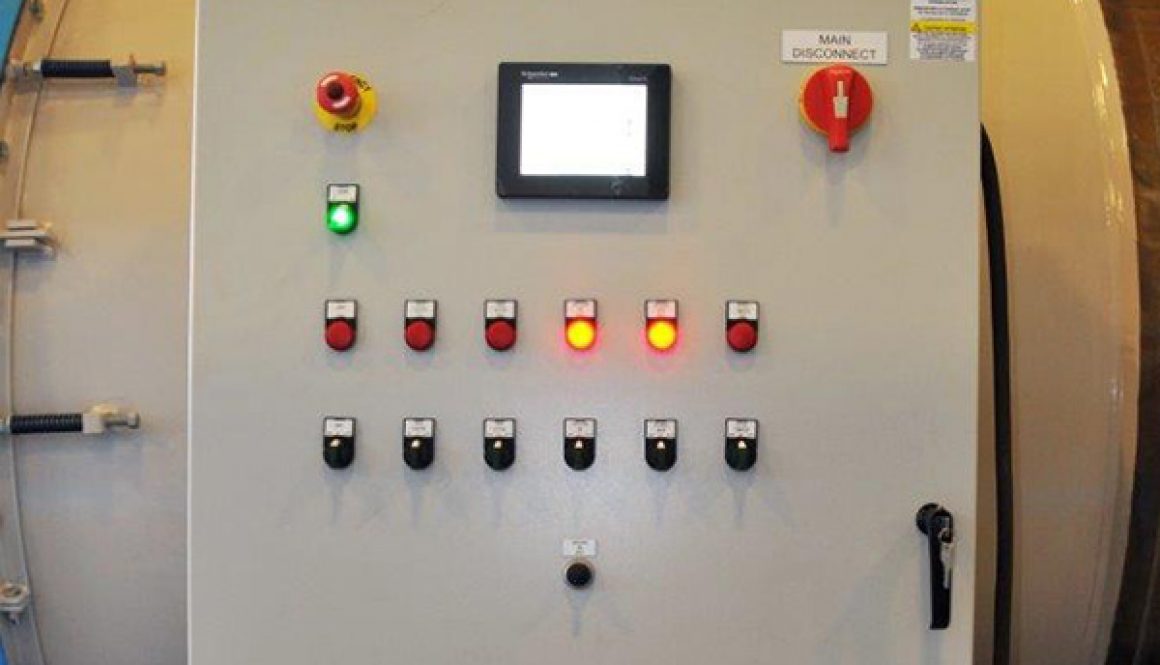
This BioReactor Composting Systems built by XACT is mounted on a rugged dual axle trailer for an operation which needs to travel from site to site–including remote locations. So, it has its own generator mounted on the front  (silver box).  The  entire system includes a  5′ x 15′ insulated BioReactor, a mixer/blender with conveyor, a control panel and the generator.  The volume of organic waste the 5 x 15 rotating drum can compost per day, based on a 4 day retention, is about 1.9 cubic yards (this value can vary depending on the waste to be composted and the length of time the waste remains in the BioReactor).  As you would expect from XACT, this mobile unit is available in other sizes of vessels and it can be made stationary as well.  Why you can even order this system with a bio-filter if need be.  It is perfect for pilot projects, R & D, institutional use, urban locations–the list goes on and on.   Feel free to contact us to discuss your next composting project.  Many thanks.  D

Mobile BioReactor

Mobile BioReactor

  • LinkedIn
  • Facebook
  • StumbleUpon
  • Google Gmail
  • Twitter
  • Share/Bookmark
Filed under: News, Uncategorized — Tags: , , , , , , , , , , — doreen on August 15, 2011

Why Don’t All In-vessel Rotating Drum Composters Unload as Easily as the BioReactor Does?

Discharging and unloading compost from an in-vessel rotating drum composter shouldn’t be that difficult and it isn’t with the BioReactor by XACT.  Thoughtful engineering and unique design features make it so.  The time it takes to discharge the compost will vary depending on the size of the BioReactor, but in any case, the discharge time will be measured in minutes with no muss or fuss (or cursing or pitchforks!)  And it will only require one operator to handle the job.  If you are considering the rotating drum technology to handle your organic waste management needs, take the time to examine the ease of unloading.  After all why would you want to invest in automated composting equipment that requires manual intervention to get the compost out?

BioReactor Discharges Compost Easily

BioReactor Discharges Compost Easily

  • LinkedIn
  • Facebook
  • StumbleUpon
  • Google Gmail
  • Twitter
  • Share/Bookmark
Filed under: News — Tags: , , , , , , , , , , , — doreen on June 21, 2011

Toll Free: 1-800-920-0630   •   Tel: 613-394-1922   •   Email: info@xactsystemscomposting.com