INDUSTRY INSIGHT · MAY 2026 | The Sponge vs. the Sieve
By Francis Bosah
Every farm, every field, every patch of ground is either building wealth underground — or quietly draining it. The question is never whether the biology is working. The question is whether you are working with it or against it.
While humans think we're in charge, microbes rule the planet. Agriculture is sleepwalking into a financial trap — treating soil as a static container for chemicals rather than a dynamic biological engine.
Part One — The Physics of an Asset: The Sponge
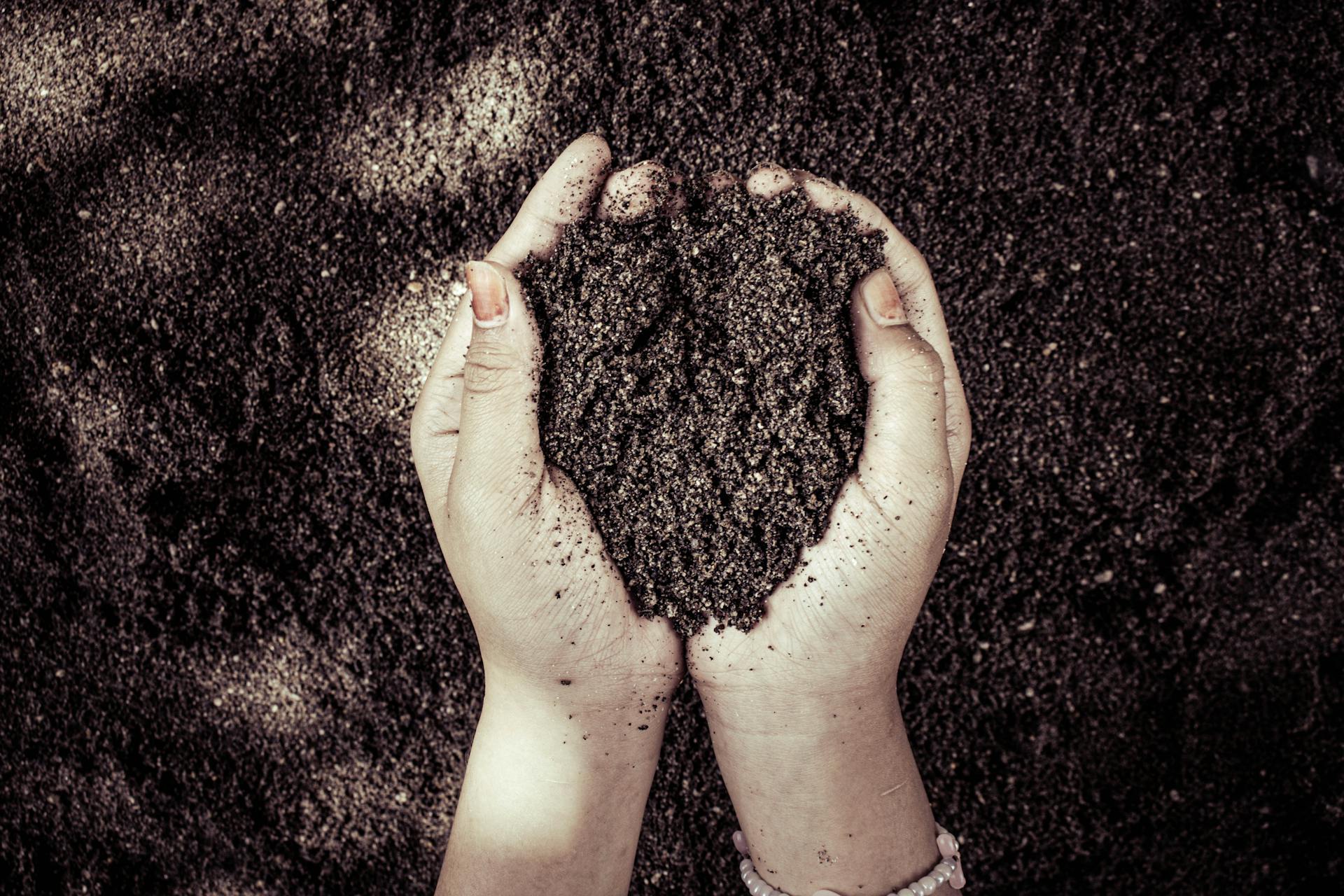
Biologically active soil is a high-performance Rhizosphere Air-Conditioner. When the microbiome is thriving, the soil functions as a living sponge — absorbing water, moderating temperature, and cycling nutrients in a self-sustaining loop.
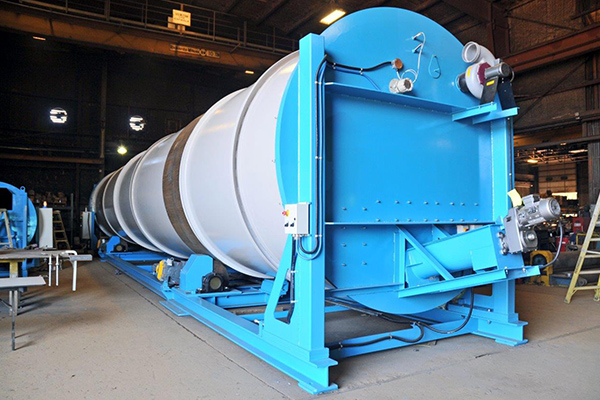
This infrastructure is built through Thermophilic Composting — mastering the precise thermal path of microbial heat to manufacture the fungi and actinomycetes that build soil's porous architecture. This is the factory of the Sponge Economy.
Part Two — The Physics of a Liability: The Sieve
Chemical dependency incinerates the carbon holding the sponge together. Aggregates collapse, and the soil becomes a Radiator — absorbing heat like dark pavement, frequently spiking above 105°F, cooking roots and evaporating moisture.
Scientific data from the USDA/NRCS confirms that for every 1% drop in Organic Matter, soil loses the capacity to hold approximately 165,000 litres (27,000 gallons) of water per acre. In a Sieve Economy, you are paying for inputs the land simply cannot retain.
In a Sieve Economy, you are paying for inputs that the land simply cannot retain.
Part Three — The Tipping Point
There is a measurable threshold where your asset becomes a liability: the collapse of the Soil Sponge. The transition happens the moment the rate of carbon oxidation exceeds biological sequestration.
You can't see an aggregate without a microscope — but you can feel its presence with a heat gun. High temperatures prove a biological desert. Lower temperatures prove the soil is aerated, hydrated, and alive.
Thermophilic mastery is the bridge from a liability back to an asset.
Part Four — The Permanent Shift
True economic mastery requires the biological regenerative paradigm. We must move beyond the "dirt mindset" that treats soil as a liability to be propped up by external costs.
By prioritising the microbiome and the composting systems that feed it, we restore the sponge and turn the tide — from leaching capital to building resilience. Chemical dependency is a race to the bottom. Biological mastery is the only way up.
Is your soil holding your future, or letting it slip through the cracks?
Chemical dependency is a race to the bottom. Biological mastery is the only way up.
We don't sell a product. We engineer a biological outcome.
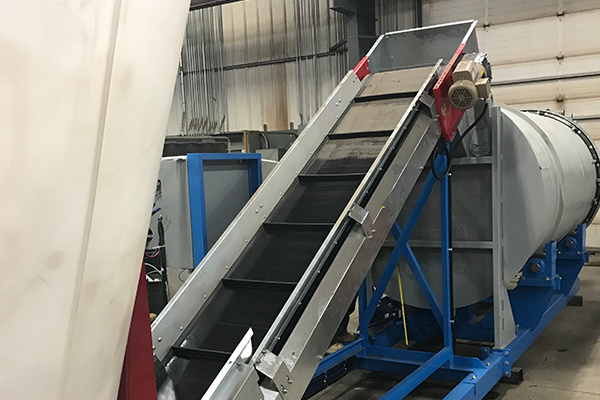
XACTBIO composting systems are built around thermophilic precision — the same science that defines the difference between a Sponge and a Sieve. Every machine we put in the field is designed to restore microbial life, rebuild soil architecture, and turn organic waste into compounding biological capital. That's not a feature. That's the mission.